
This season, there has been massive speculation about Alex Anthopoulos and the Atlanta Braves searching for a new addition to the starting rotation before the start of the 2026 season. With the myriad of injuries plaguing the Braves’ 2025 season, it’s hard to blame them for searching outside the organization for solutions. One of the pitchers who wasn’t injured last season, but provided some semblance of stability, was Bryce Elder. Opinions vary when referencing Elder, but regardless of the evaluation placed on the sporadic pitcher, this season could be his last in the only organization he’s ever known.
In professional baseball, teams can “option” a player between the major and minor leagues a limited number of times (usually three seasons). Once a player is out of options, they cannot be sent to the minors without first being designated for assignment and passing through waivers, meaning any other MLB team can claim them. As he is out of options, the Braves must keep Elder on their 26-man active roster (or injured list) or risk losing him to another team via waivers if they attempt to send him down to the minors. This situation makes it highly unlikely he will be assigned to minor league baseball unless a unique situation arises (e.g., a minor league rehab assignment after an injury, which has different rules.
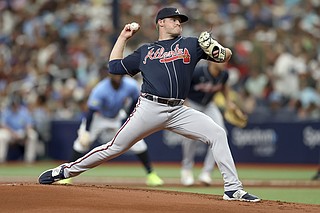
Elder’s journey with the Atlanta Braves has been closely followed by fans and analysts alike. While he has his share of skeptics, there is also a strong segment of Braves supporters who value what Elder brings to the starting rotation. He has seen both highs and lows since making his MLB debut on April 12, 2022. While he has shown flashes of promise, there remains a notable contingent of Braves fans and analysts who are hesitant to embrace Elder as a reliable option in the starting rotation. Why does this skepticism exist, and why can’t he just be appreciated for what he is, instead of what others believe he should be?
Elder’s outings have often been a roller coaster. While he’s had brilliant starts, including a few where he’s gone deep into games with minimal runs allowed, he’s also had stretches where he’s struggled to find the strike zone or given up hard contact. This inconsistency makes it challenging for fans to feel confident whenever he takes the mound. The bulk of modern MLB pitching is dominated by high-velocity arms (94.3 mph average fastball velocity) and pitchers with devastating breaking balls or changeups. Elder’s fastball typically sits below league average (90.6 mph) in velocity, and his overall “stuff” doesn’t wow scouts or fans. As a result, there’s a perception that his margin for error is slim and that he’s less likely to dominate top-tier lineups.
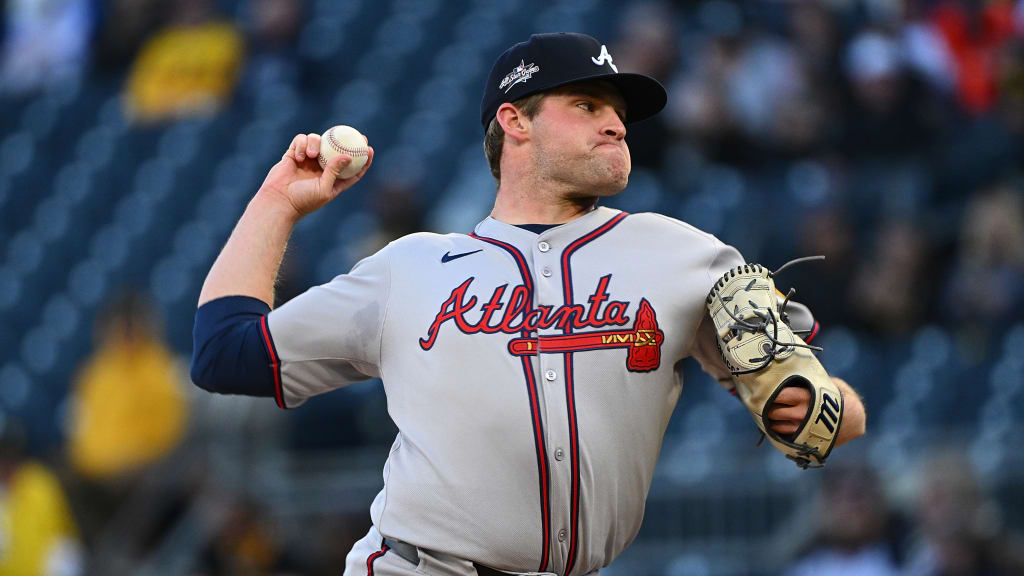
Even with all the skepticism, from his time in the minor leagues to his debut with the Braves, Elder has consistently produced solid results. He’s shown the ability to pitch deep into games, limit damage, and give his team a chance to win, earning the trust of coaches and teammates. Elder excels at inducing ground balls, a skill that allows him to work efficiently and keep big innings at bay. By relying on movement and location rather than overpowering hitters, he forces opponents to put the ball in play on the ground, resulting in double plays and quick outs.
When Elder is struggling, his skeptics have plenty of ammunition to attack the right-hander. At times, Elder has struggled with command, leading to high walk rates. Allowing free passes is a recipe for trouble, particularly for pitchers who don’t have overpowering stuff. These command lapses have contributed to some big innings against him and have furthered doubts about his long-term viability as a starter. Also, strikeouts are a key indicator of a pitcher’s ability to control at-bats and escape jams. Elder’s strikeout rates have generally been modest, suggesting that he relies more on defense and batted-ball luck. This can make fans nervous, especially in high-leverage situations or playoff scenarios.
However, the optimist would see that Elder has demonstrated a calm presence under pressure, often handling those tough situations with composure that belies his age and experience. This maturity helps him navigate high-stress innings and bounce back from adversity, traits highly valued in a starting pitcher. What Elder may lack in raw velocity, he makes up for with pitch selection, sequencing, and a willingness to adjust his approach. He studies hitters and makes in-game adjustments, reflecting a high baseball IQ that’s essential for long-term success.
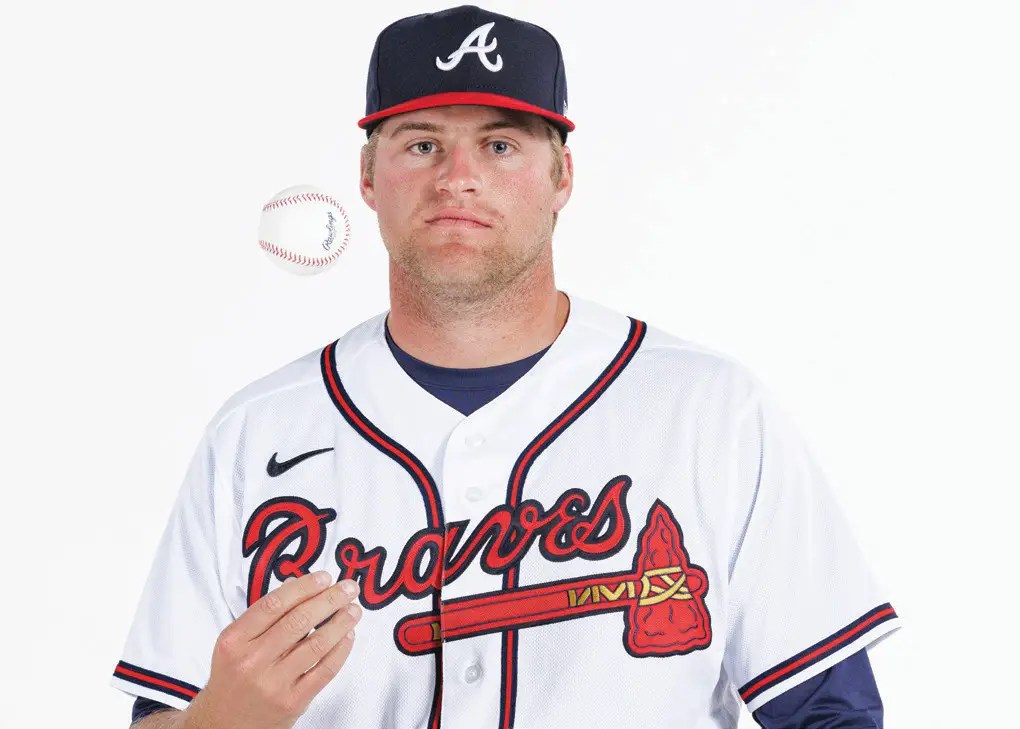
While Elder has indeed shown he can contribute at the major league level, a combination of inconsistent performances, lack of overpowering pitches, and the pressure of Atlanta’s high expectations has led some fans to doubt his fit as a long-term starting pitcher. On the contrary, his supporters would argue that while Elder may not have the flashiest profile, his poise, intelligence, and ability to generate ground balls make him a valuable asset to the Atlanta Braves. Many fans appreciate his consistency and the stability he brings to the rotation, seeing in him the makings of a dependable major league starter. With continued development, he may yet win over the skeptics, but for now, the debate over his role in the Braves’ rotation continues.
 Bravos Insight
Leave a comment